The oddball Polaris GPU - RX 570 with 16GB of VRAM
Consumer Radeon Polaris GPUs used at max 8GB of VRAM. A few specialized models for imaging, medical applications were equipped with 16GB of VRAM, and with time, such configurations showed up in a few consumer models made by Chinese vendors.
8GB VRAM nowadays is considered not enough for gaming as more and more games want to use more than 8GB even at moderate settings, not to mention on higher resolutions. Can an old low-end card benefit from 16GB of VRAM?
Kinology RX 570 16GB
There are at least a few models out there of Polaris cards with 16GB of VRAM, and you can sometimes find original white-label 16GB cards on eBay as well. The one I got from Aliexpress is branded as Kinology, and it was priced at around $150 at the time of purchase.
Right now, the prices have gone a bit crazy, even for old PC hardware, including various refurbished Polaris cards. From a gaming performance per Dollar, old Polaris cards aren't worth it, unless it's like under $50, and you need something for an old system that can do a bit more than handle displays.
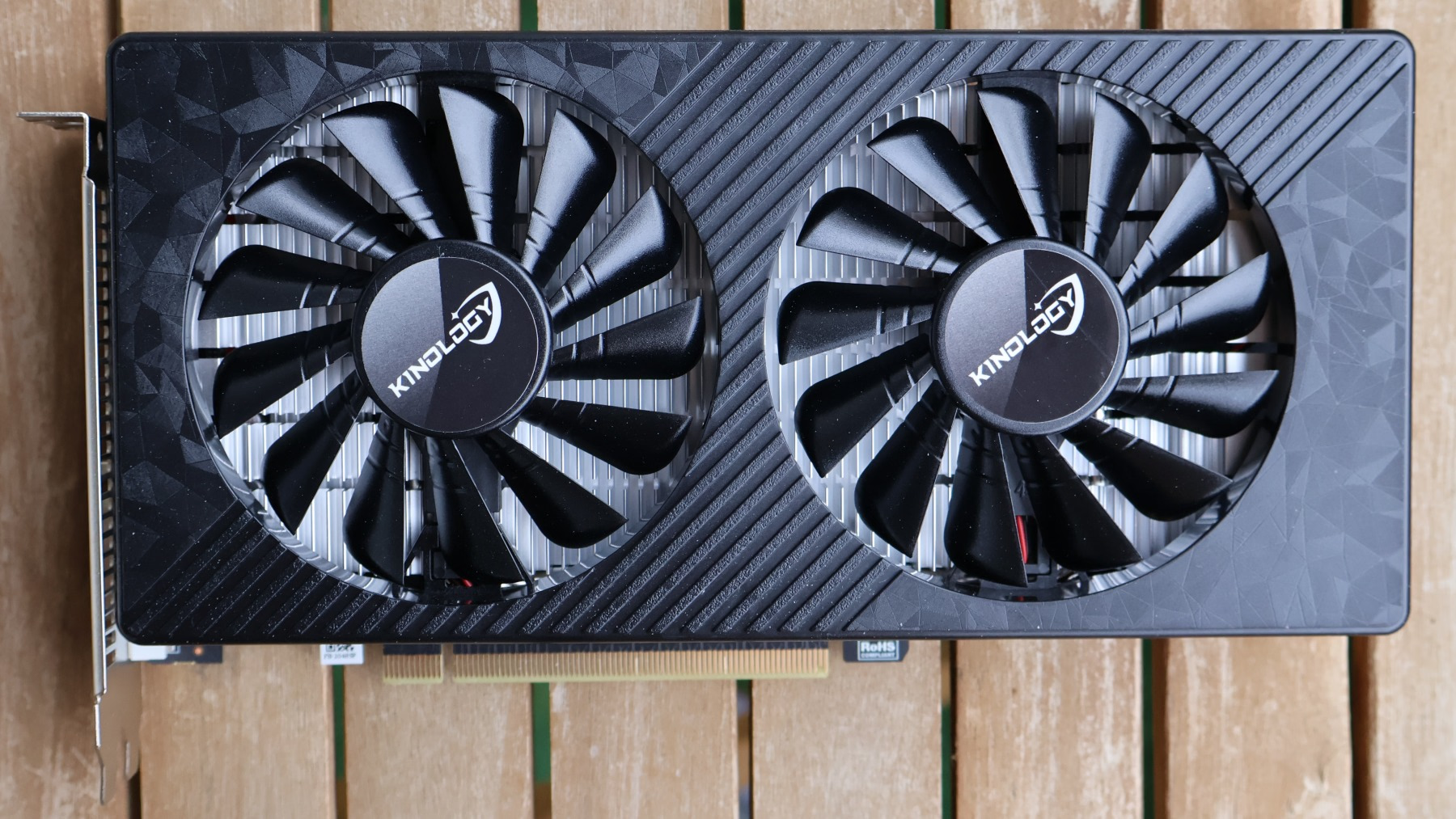

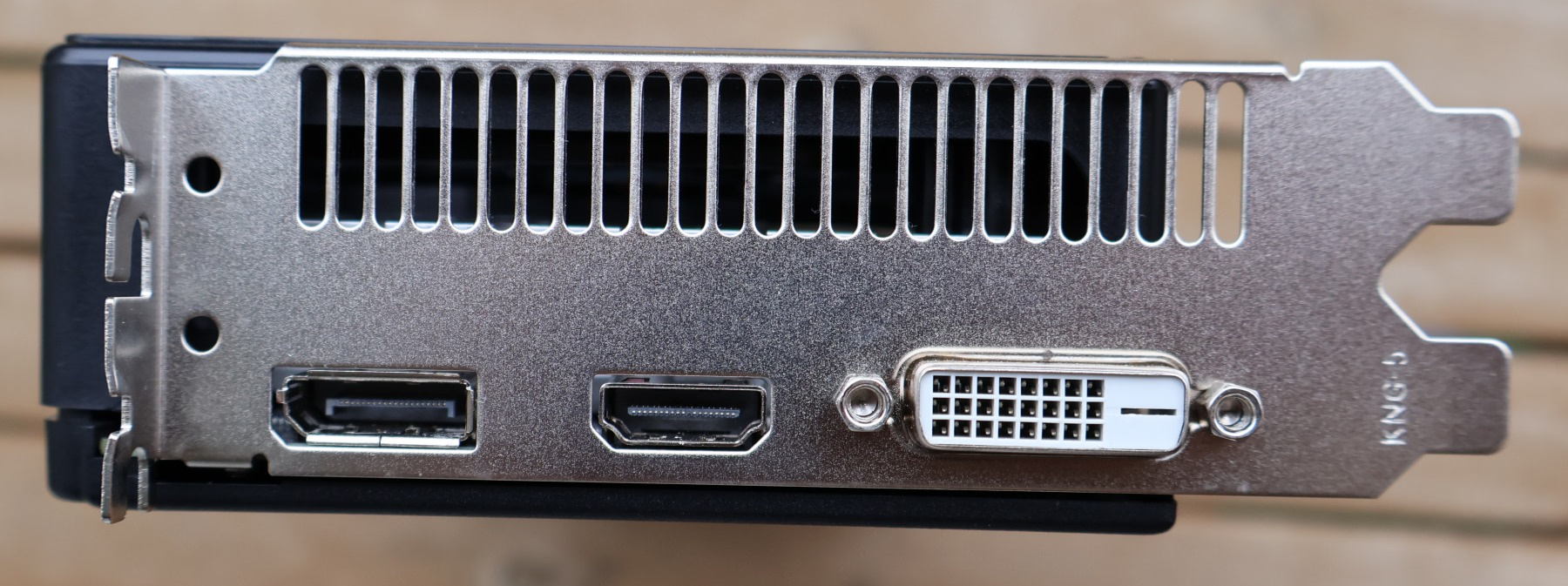
The card has a simple but functional heat sink with two integrated heat pipes. The memory and VRM chips are equipped with thermal pads that also make contact with the GPU radiator. The card uses Samsung memory chips. The chips on the back of the PCB don't have any cooling solution and are covered by a plastic backplate.
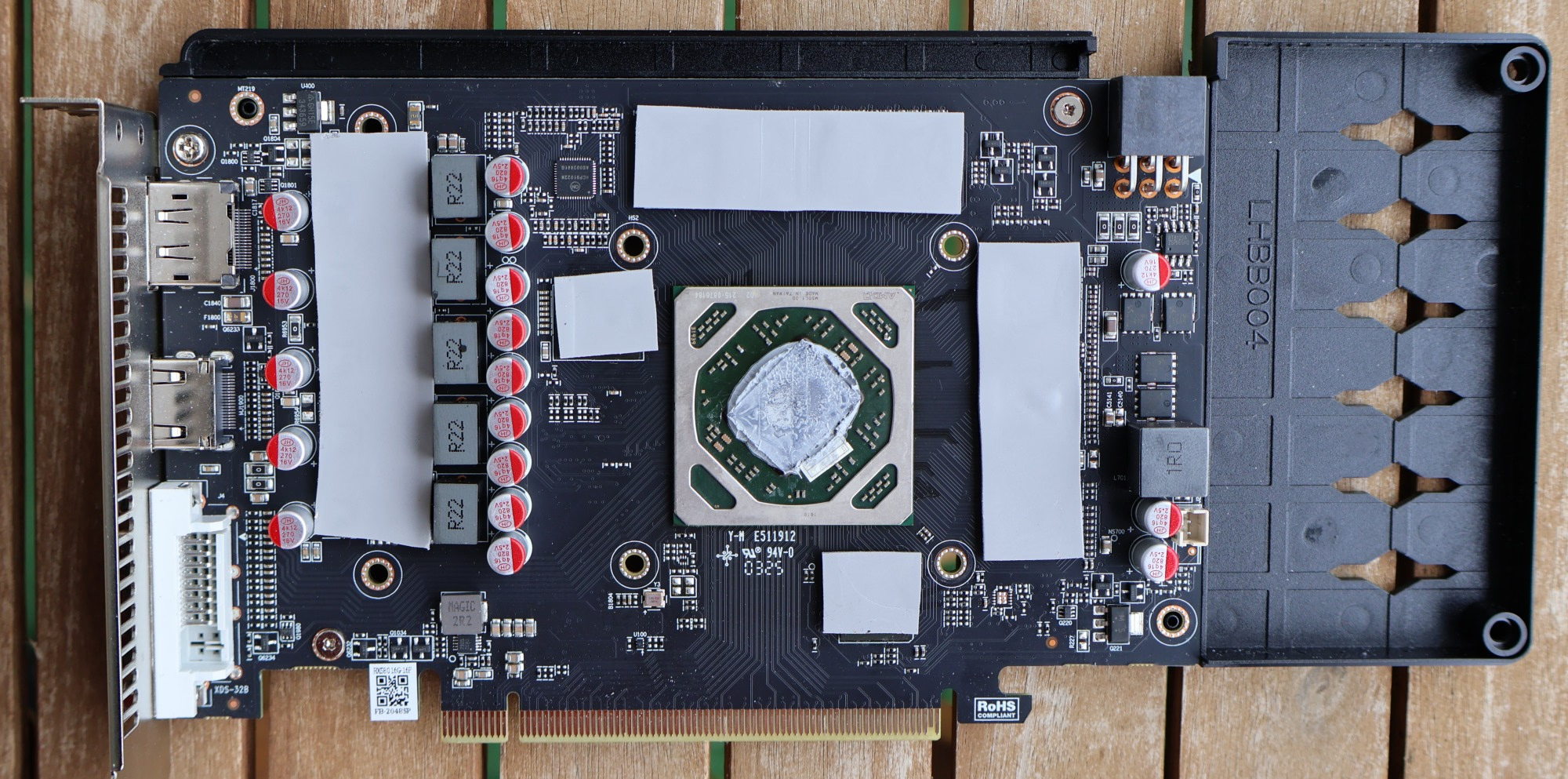
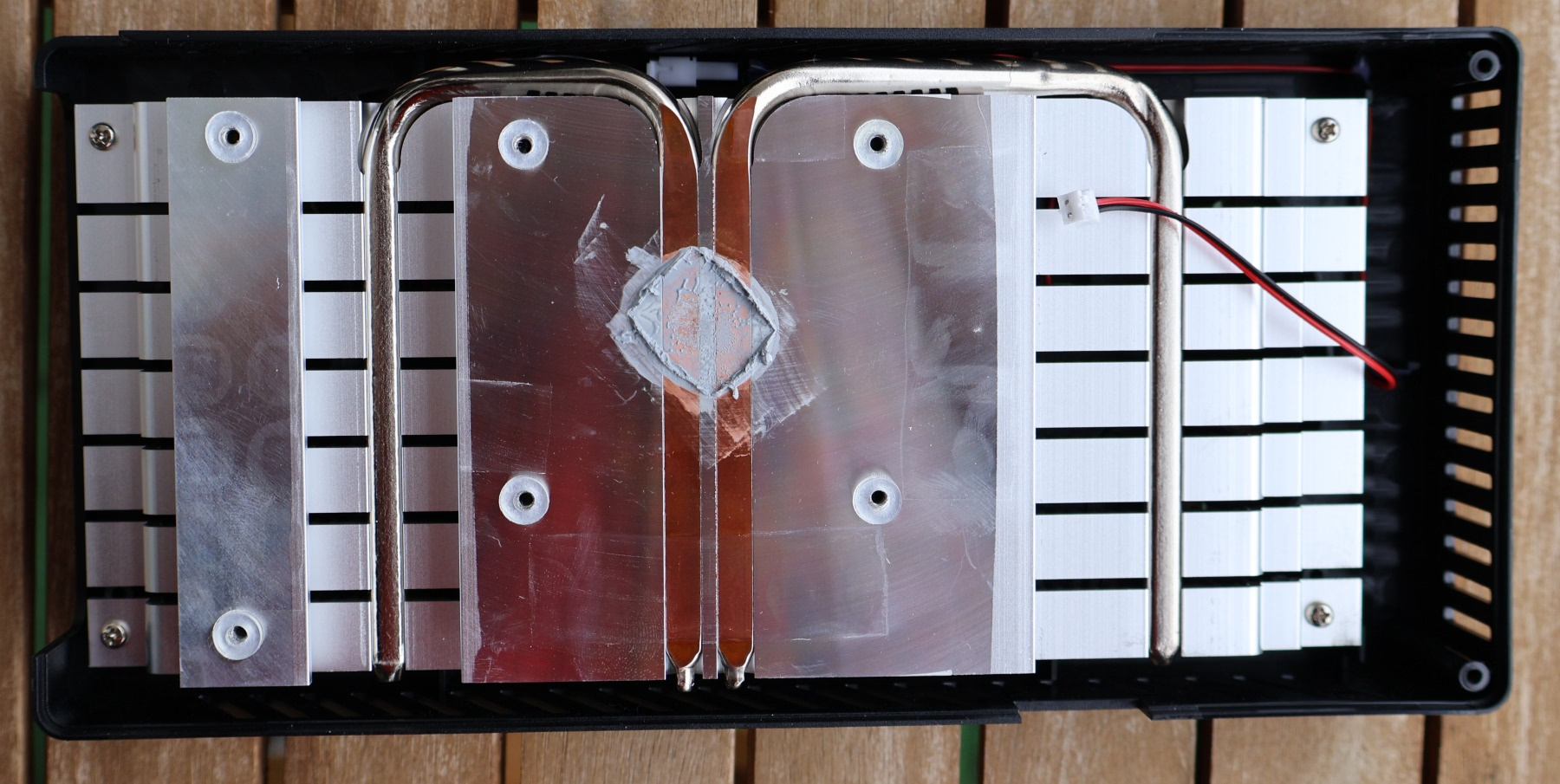
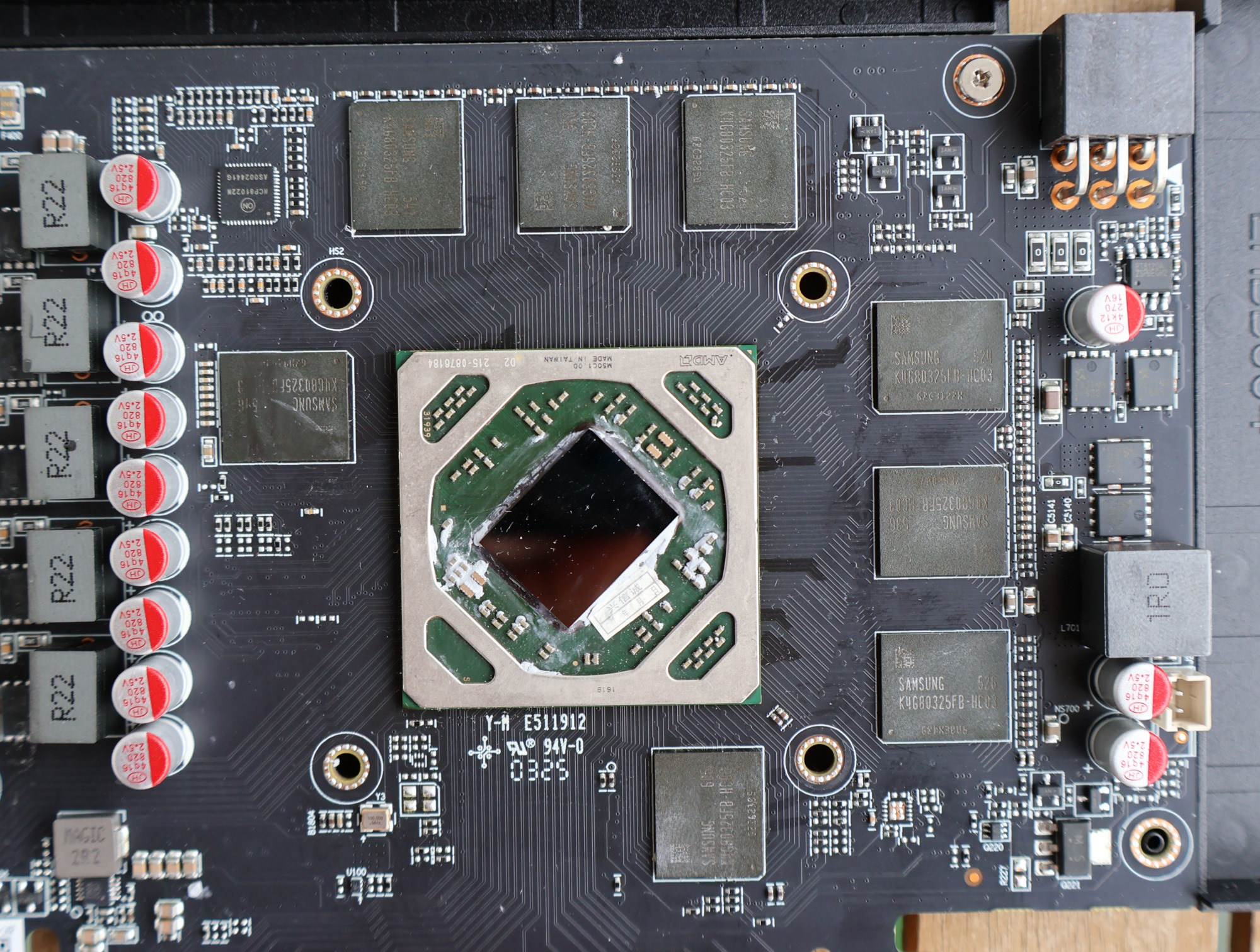
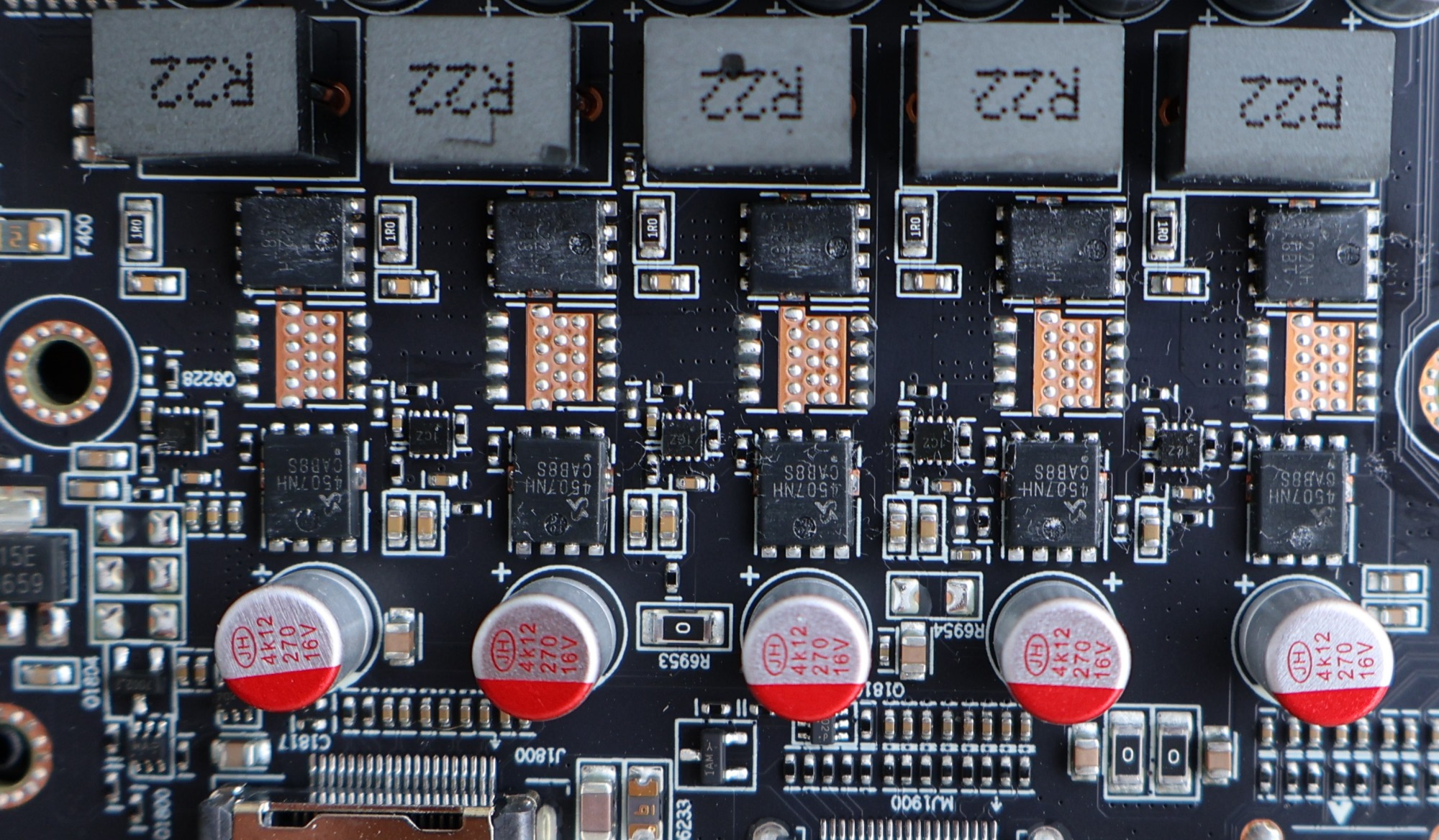
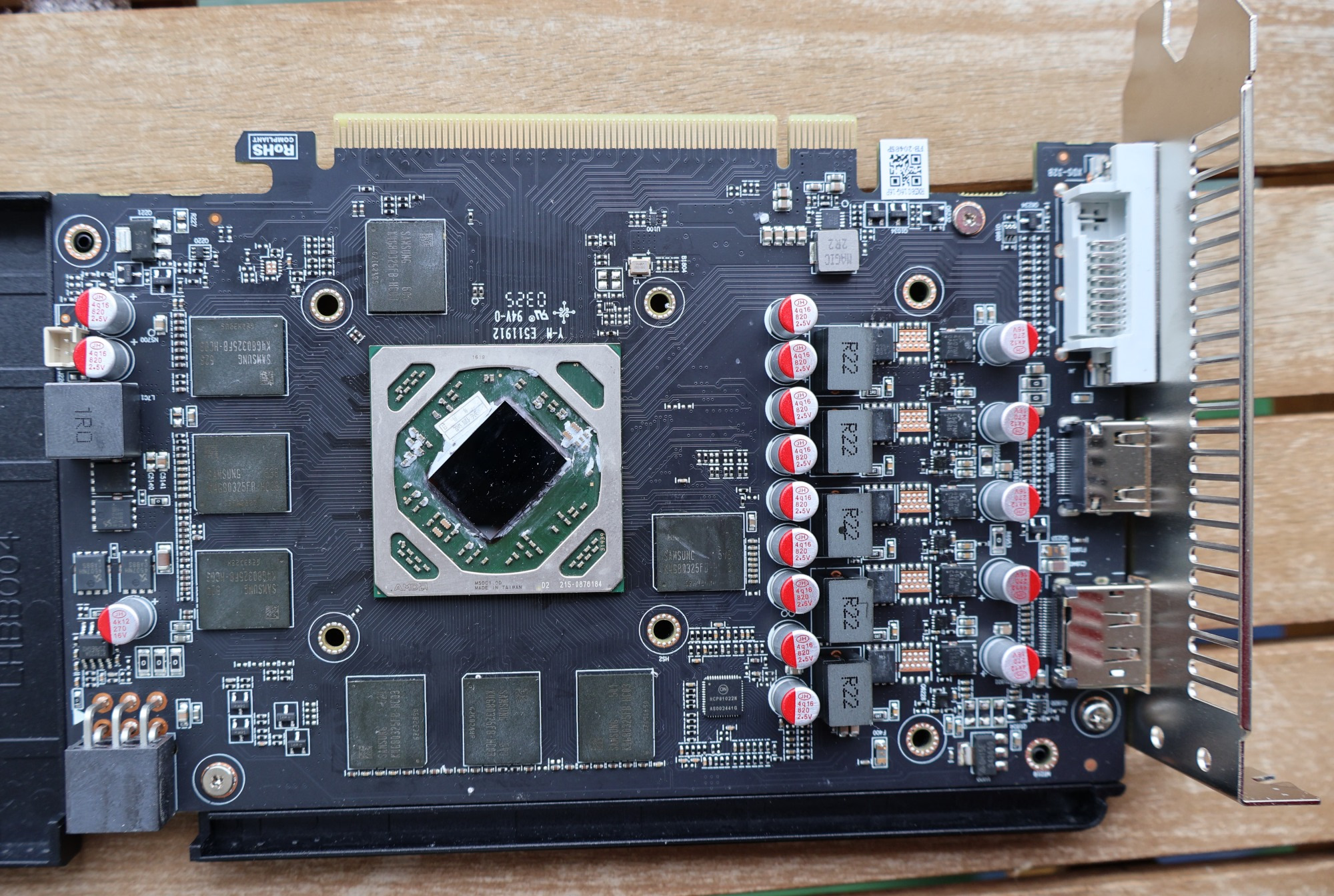
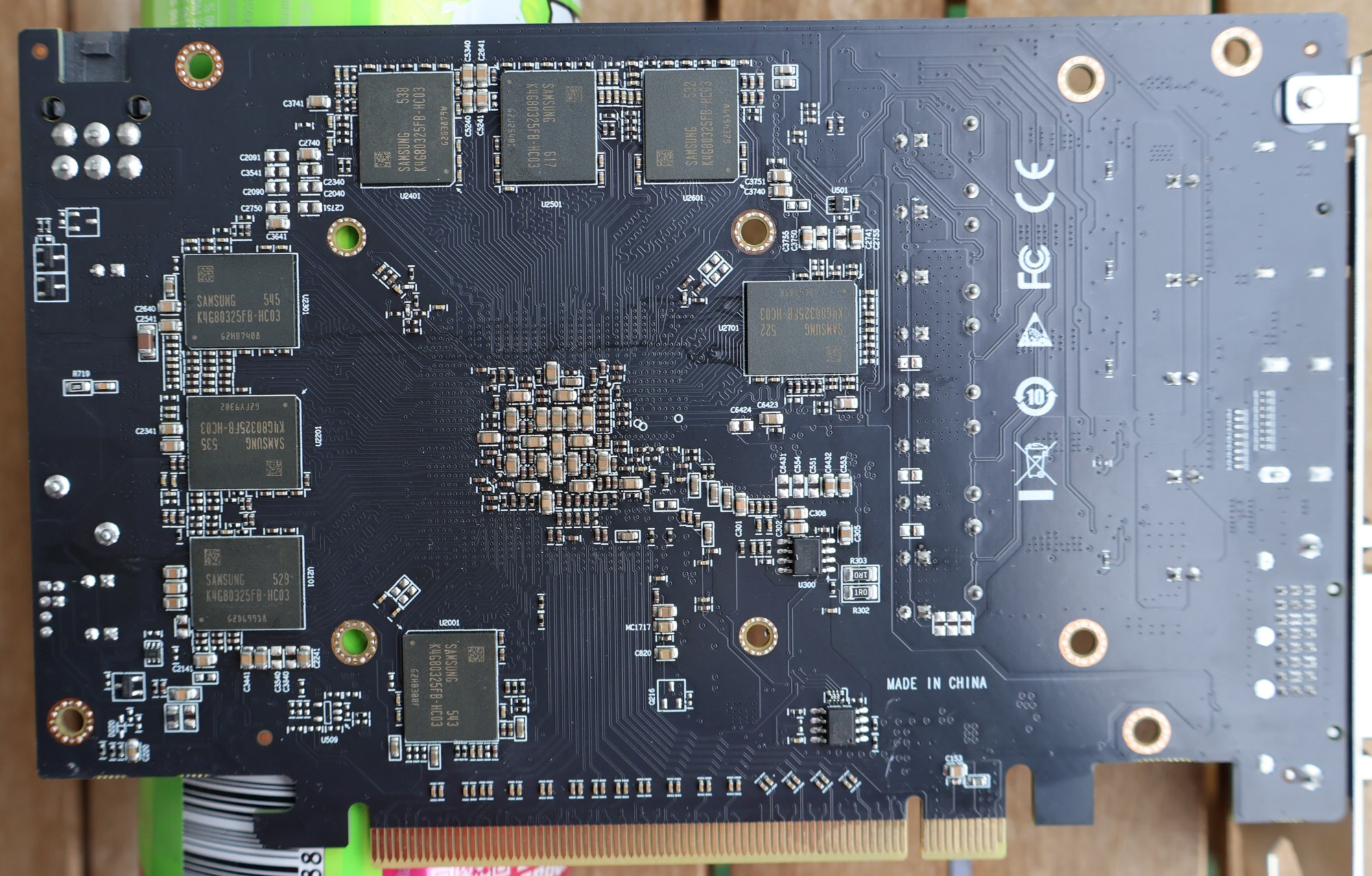
The card runs quietly, even under load. Compared to other Polaris RX 570 cards, this one looks slightly under-clocked.
You can also check it TechPowerUp validation entry.
RX 580 2048SP = RX 570
The card officially is called RX 580 2048SP, but it's not RX 580, it's renamed RX 570 which was done by AMD at some point. Actual RX 580 has 144 TMUs and 2304 cores, while the RX 570 and the renamed SKU 128/2048.
When you see RX 580 listings, double-check it's not actually the 2048SP version, as this name is often used to upsell this old GPU chip.
Benchmarking
Benchmarks were done on a Ryzen 7 5800X3D system equipped with 2x16 3600CL16 RAM on Windows 11. Under load (Unigine Valley), the clocks and power draw were like so:
- Kinology RX 580 2048SP 16GB: 1,5GHz memory clock, 1050MHz GPU clock. ~110W GPU power draw, ~85W GPU core power draw
- Envinda RX 580 2048SP 8GB: 1,75GHz memory clock, 1130MHz GPU clock. ~130W GPU power draw, ~90W GPU core power draw
- Asus RX 590 GME: 2GHz memory clock, 1300MHz GPU clock. ~145W GPU power draw, ~100W GPU core power draw
- XFX Speedster RX 6600: ~1,88GHz GPU clock. ~100W GPU power draw, ~60W GPU core power draw (not fully loaded)
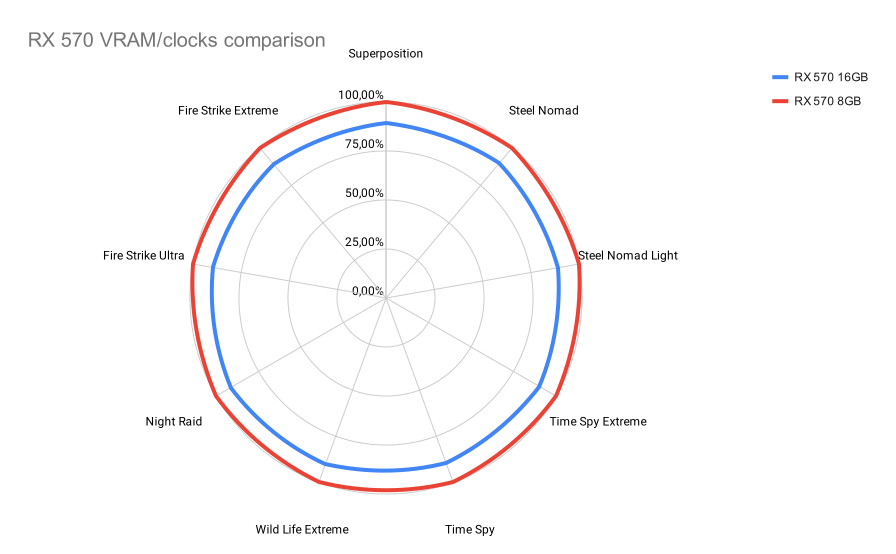
The Envinda RX 580 2048SP 8GB uses more power and runs at higher clocks meaning it will perform better when not limited by VRAM size.
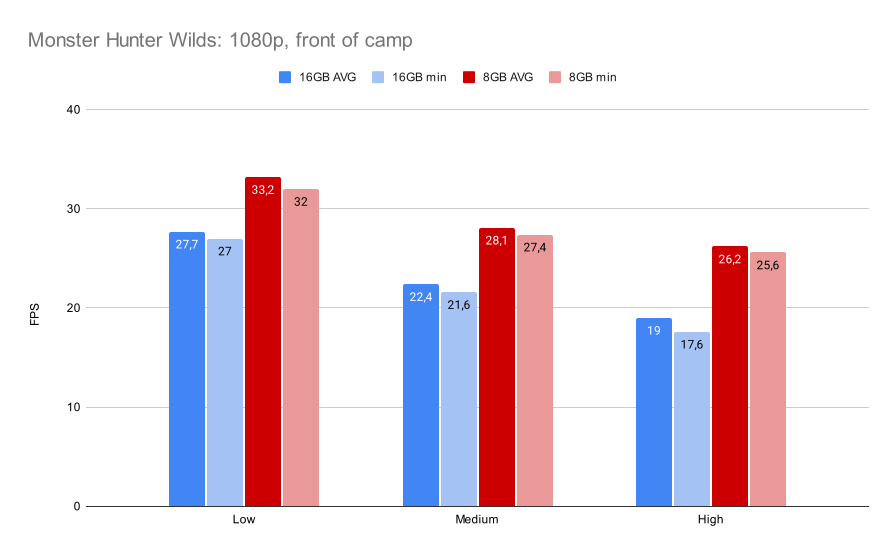
The problem with trying to VRAM-limit old cards is that even at 1080p, they will run games at low FPS, and running some crazy settings to show 10 vs 5 FPS results is kind of pointless. Monster Hunter Wilds benchmark crashes when compiling shaders, but the game with patches manages to run fine. There seems to be no visual difference between 8GB and 16GB cards, and the higher clocked one performs a bit better:
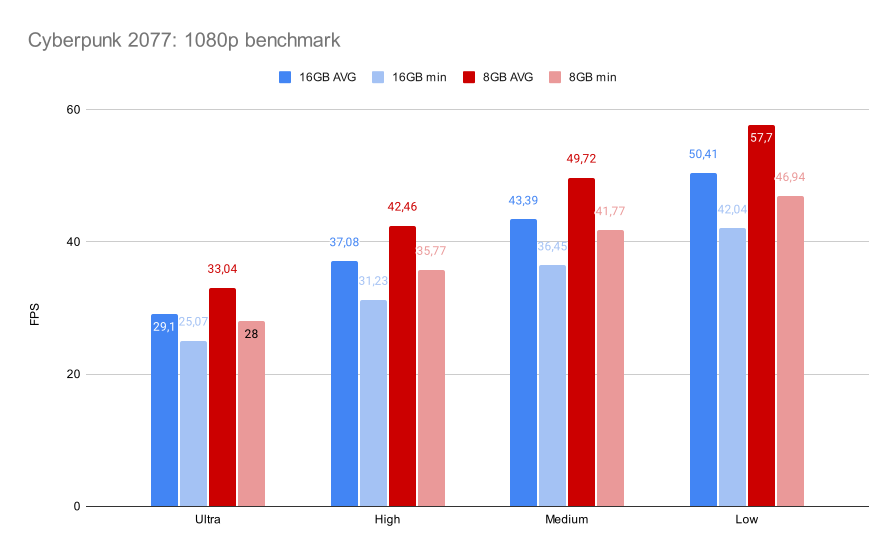
Same thing happens in Cyberpunk 2077 benchmarks at 1080p with no frame generation and using standard quality presets:
Among synthetic benchmarks, the VRAM limit isn't reached as well:
When compared to a more modern entry-level GPU like RX 6600 (which is a 2021 GPU), the age of Polaris cards does show up:
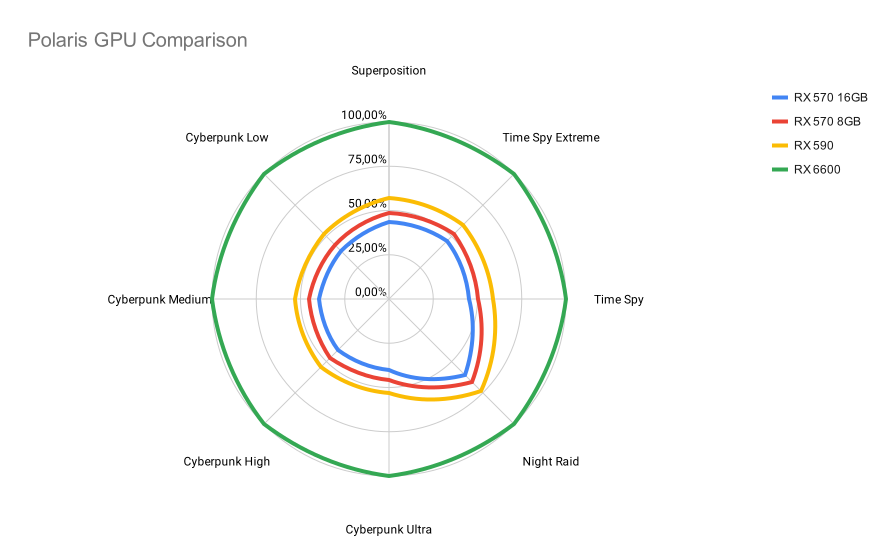
RTX 5060 Ti, which 8GB variants don't really sell, is almost 2x of RX 6600 performance, and for that chip, the 8GB vs 16GB VRAM comparison starts to show up.
Summary
16GB VRAM GPU won't make a change vs 8GB when the compute performance is so low. There still could be some very specific games loading a lot of assets, while being light on rasterization performance, but either so for the price, 16GB Polaris is pointless for gaming. Original cards I've seen listed on eBay were part of medical imaging equipment, displaying high-resolution images and so on (curious if that really needed so much VRAM).
Comment article